Summer on Long Island means beach days at Jones Beach, backyard cookouts, and logging more steps in a week than you did all of March. It also means your feet are working harder than ever, often in the wrong shoes, on unforgiving surfaces, in the heat. Blisters, sunburned soles, fungal flare-ups, sore arches, and the occasional sharp surprise from a shell or piece of gravel are all part of the season. The good news: most summer foot problems are easy to prevent and very treatable when you know what to watch for.
Blisters: Prevention Beats Treatment Every Time
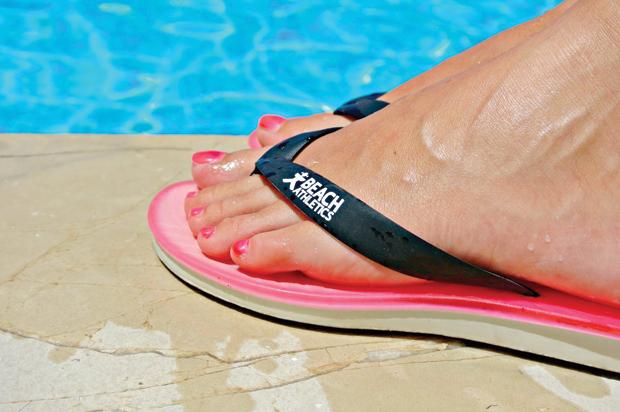
Sandals and flip-flops are great for the beach and terrible for your skin. Straps rub in new places, footbeds don’t break in overnight, and the longer you walk, the worse it gets. The fix is simple: break in new pairs at home before you commit to a full day out. If you know a strap is going to cause problems, put moleskin or a blister pad on the hotspot before it becomes one.
When a blister does form, leave it alone if you can. The fluid inside is a cushion, and the skin over it is the best bandage available. If it’s large or sitting somewhere you genuinely can’t avoid putting pressure on, drain it carefully with a sterilized needle at the edge, keep the skin intact, apply a light antibiotic ointment, and cover it. If you see redness spreading outward, warmth, or pus, that’s time to see a podiatrist – not wait and see.
Your Feet Need Sunscreen Too
The tops of your feet, the sides, and even the spaces between your toes are easy to miss when you’re applying sunscreen at the beach. They also burn just as fast as your shoulders. Use a broad-spectrum SPF 30 or higher, rub it in thoroughly, and reapply every two hours or immediately after you come out of the water, as toweling off removes more protection than most people realize. It’s a small habit that prevents a surprisingly painful problem.
Fungal Infections Love Summer
Warm, damp environments are exactly what athlete’s foot and toenail fungus need to thrive, and summer delivers both. Pool decks, locker rooms, and damp shoes left in a gym bag are common culprits. Wash and dry your feet thoroughly every day, especially between the toes, and let your shoes air out between wears. If you’re spending a lot of time at public pools, water shoes are worth it.
Mild cases of athlete’s foot usually respond well to over-the-counter antifungal creams. The key is finishing the full course even after the itching stops; cutting it short is the most common reason it comes back. If it’s not improving after a couple of weeks, spreading to your nails, or getting worse instead of better, come in. Toenail fungus in particular rarely clears with drugstore products alone.
When Sandals Trigger Heel Pain
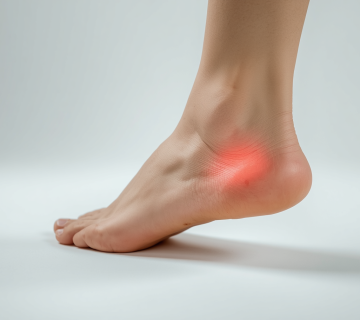
Flip-flops and flat sandals offer almost no arch support, and when you pair them with long walks on hard-packed sand or pavement, the plantar fascia – the band of tissue along the bottom of your foot – takes a real beating. The result is often sharp morning heel pain that’s manageable mid-day but keeps coming back.
A few simple habits help. Stretch your arches and calves before you head out. Roll a frozen water bottle under your foot after a long day. Swap in sandals with a real footbed and arch support for anything more than a short walk. If you already deal with plantar fasciitis, summer is not the time to push through it in the wrong shoes; that’s how a manageable flare becomes a months-long problem.
Cuts and Puncture Wounds from Sand and Debris
Shells, broken glass, and backyard gravel don’t care that you’re in vacation mode. If you step on something sharp, clean the wound thoroughly under running water, apply antibiotic ointment, and keep it covered. Puncture wounds are the ones to watch most carefully; they close up quickly on the surface but can trap bacteria deep inside.
Red flags that mean you need professional care:
- Spreading redness or warmth
- Increasing pain
- Pus
- Red streaks moving up toward the ankle or leg
- A wound that just isn’t improving after a few days
If you have diabetes or any circulation issues, skip home care and call us directly. Infections can progress quickly and quietly in those situations, and catching them early makes a significant difference.
Don’t Let Foot Pain Sideline Your Summer
Most summer foot problems are preventable, and the ones that aren’t are very treatable when you catch them early. When home care isn’t enough – a wound that’s not healing, persistent heel pain, or a fungal infection that’s getting worse – that’s what we’re here for. Cherrywood Foot Care in Bellmore serves patients across Nassau County’s South Shore, including Merrick, Wantagh, Seaford, Massapequa, Freeport, and Baldwin.
Summer Foot Care FAQ
Should I pop a blister?
Usually no. The fluid cushions the raw skin underneath and the skin on top is the best bandage you have. Only drain a blister if it’s large or in a spot you can’t keep pressure off – and even then, prick the edge with a sterilized needle, leave the skin intact, and cover it.
Why does my heel hurt after a day in sandals?
Flat sandals and flip-flops give almost no arch support, so long walks on hard sand or pavement overload the plantar fascia. That’s what causes the sharp morning heel pain. Arch-supportive footbeds, calf stretches, and rolling a frozen bottle underfoot all help.
When should I see a podiatrist instead of treating it at home?
Come in for spreading redness or warmth, pus, red streaks moving up the leg, increasing pain, or any wound or infection that isn’t improving after a few days. If you have diabetes or circulation problems, call us right away rather than waiting.