
Why Bunions Feel Worse in the Spring (and What You Can Do)
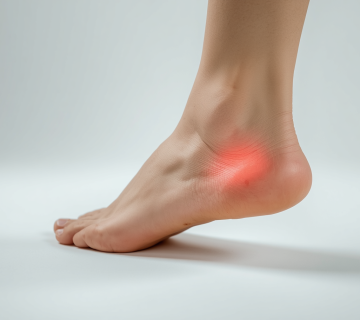
As the weather warms up and spring approaches, many people notice that their bunions feel more painful than usual. Bunions, which are bony bumps that form at the base of the big toe, can become inflamed and uncomfortable, making it harder to wear favorite shoes or enjoy seasonal activities. Understanding why this happens—and what you can do to relieve the pain—can help you enjoy spring without foot discomfort.
Why Bunions Flare Up in the Spring
- Warmer Weather and Swelling
Spring temperatures often bring more outdoor activity and longer walks, which can increase foot swelling. As blood flow and circulation rise with activity, the tissues around your bunion may become inflamed, making the bump feel more tender and sore. - Changing Footwear
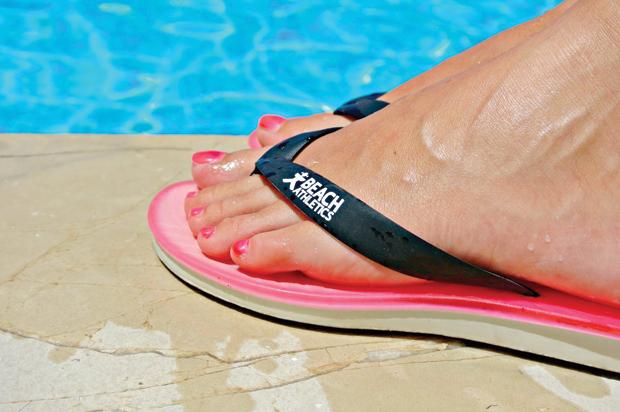
Spring is the season for lighter shoes, sandals, and sneakers, which often provide less support than winter boots. Unsupportive footwear can place additional pressure on the bunion, exacerbating pain and discomfort. - Increased Activity Levels
With nicer weather, people tend to walk more, exercise outdoors, or participate in recreational sports. While staying active is healthy, it can strain the joint at the base of your big toe and worsen bunion pain if your feet aren’t properly supported.
What You Can Do to Relieve Bunion Pain
- Choose Supportive Footwear
Look for shoes with a wide toe box and good arch support to reduce pressure on your bunion. Avoid narrow, pointed shoes that squeeze the toes together, which can worsen inflammation. - Use Orthotic Inserts or Pads
Custom or over-the-counter orthotics can help redistribute pressure away from the bunion and improve foot alignment. Gel pads or bunion cushions can also relieve friction and protect the affected area. - Stretch and Strengthen Your Feet
Regular foot exercises can improve flexibility and reduce discomfort. Stretching your toes, rolling your foot over a ball, or performing toe stretches can help ease pressure around the bunion. - Manage Pain and Swelling
Ice packs, anti-inflammatory medication (if recommended by your doctor), or soaking your feet in warm water can reduce swelling and discomfort after long walks or extended activity. - Seek Professional Care
If your bunion pain persists or interferes with daily activities, it’s important to consult a foot care specialist. Early intervention can prevent worsening symptoms and may offer non-surgical or surgical options tailored to your needs.
Spring doesn’t have to mean suffering from bunion pain. By choosing supportive footwear, using orthotics, staying active wisely, and caring for your feet, you can enjoy the season comfortably. Cherrywood Foot Care is here to help with personalized treatments so your feet stay healthy and pain-free all year round.