Spring is one of the best times of year to get active again — and one of the most common times to get hurt. As the weather improves across Bellmore, Merrick, Wantagh, and the rest of the South Shore, people lace up their sneakers, sign up for leagues, and start putting in miles they haven’t touched since October. That rapid shift from winter inactivity to spring enthusiasm is exactly what drives a seasonal spike in foot and ankle overuse injuries. The good news: most of these injuries are preventable, and catching them early makes an enormous difference in recovery time.
Why Overuse Injuries Spike in Spring
The core problem isn’t activity — it’s the pace of change. After months of reduced movement, your bones, tendons, and plantar fascia lose some of their tolerance for repetitive loading. When you suddenly ask them to handle significantly more stress, the tissue can’t adapt fast enough. Several factors make this especially common locally:
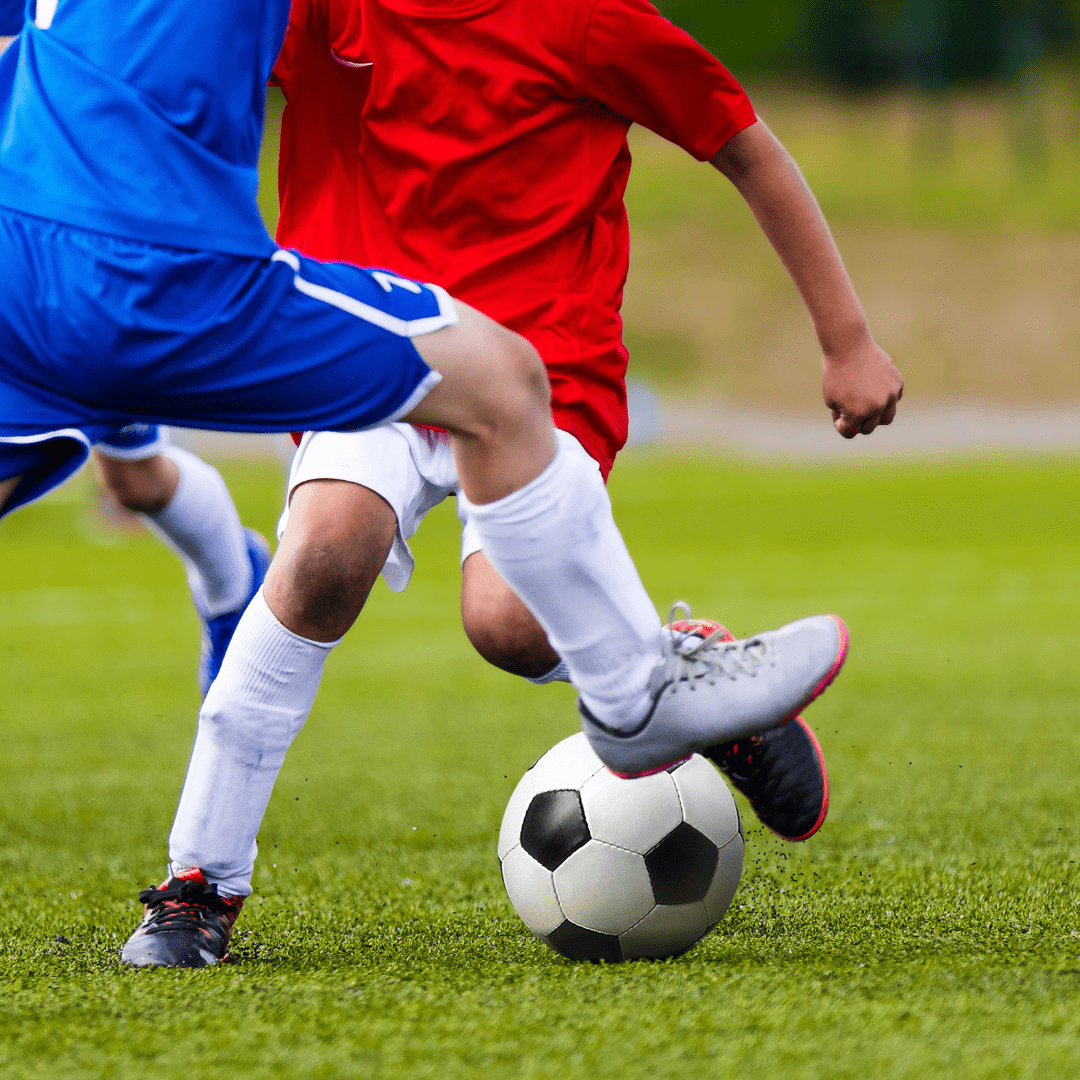
- Doing too much, too fast. Runners who spent winter on the couch jump back into long weeks. Weekend athletes go from zero to three games. Even a single ambitious session can be enough to provoke symptoms.
- Footwear and surface changes. Swapping winter boots for worn running shoes, or moving from a cushioned treadmill to pavement or trail, significantly changes the forces going through your foot and ankle.
- New and unfamiliar movements. Spring leagues, gardening, hiking, and recreational sports introduce movement patterns your body hasn’t practiced in months, stressing tendons and bones in new ways.
- Conditioning gaps. Tight calves, weak foot muscles, and hip weakness all reduce load absorption — gaps that accumulate over winter and increase injury risk when activity picks up.
- Local terrain. South Shore runners deal with beach sand, boardwalks, uneven trails, and early-season wet pavement — all of which introduce instability and irregular loading.
The Most Common Spring Overuse Injuries
Plantar Fasciitis
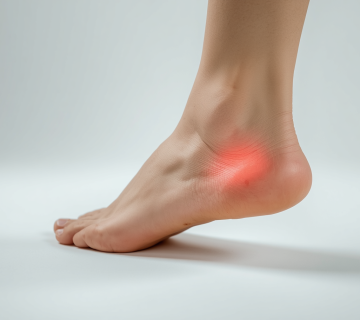
The most frequently seen overuse foot injury. Sharp heel pain with the first steps in the morning — often easing as you warm up but returning after prolonged activity. Risk rises sharply with sudden mileage increases, worn shoes, high arches, and tight calves.
Achilles Tendinitis
Pain and stiffness at the back of the heel, worst in the morning or after inactivity. Left unaddressed, tendinitis can progress to tendon degeneration and significantly increased rupture risk.
Stress Fractures
Tiny bone cracks from repetitive impact without adequate recovery — most often in the metatarsals. Pain is focal and worsens progressively with activity. Early X-rays are often normal; MRI may be needed when suspicion is high.
Shin Splints
Diffuse pain along the inner edge of the shin after increasing running or jumping volume. Ignoring them can allow progression toward a tibial stress fracture.
Sesamoiditis
Overloading of the two small bones beneath the big toe joint. Localized pain under the ball of the foot near the big toe, worse with push-off. Common in runners and people on their feet all day.
Warning Signs: When to Stop and When to Get Seen
⚠ Slow Down and Reassess
Early warning signs — back off and pay attention
- Pain that shows up during activity and fades with rest — heel pain on first steps, or aching under the big toe during a run
- Morning stiffness at the back of the heel that loosens as you move
- Adjusting your gait to protect a sore spot — shortening stride, limping, or favoring one side
- Tenderness when pressing on a specific bone point after increasing mileage
- Workouts leaving you significantly more sore than expected, needing more than overnight to recover
Reduce the aggravating activity, switch to low-impact alternatives, ice after activity, and evaluate your recent training load and footwear. Give it 7–10 days. If it doesn’t improve, get a professional evaluation.
🚨 Get Seen the Same Day
Seek urgent evaluation for these symptoms
- Sudden loss of push-off strength or inability to rise on your toes — this can signal an Achilles tendon rupture
- Significant swelling, visible deformity, bruising, or severe focal bone pain after activity or minor trauma
- Pain that prevents weight bearing despite rest, or worsens steadily over several days
- Signs of infection: spreading redness, warmth, drainage, or fever around the foot
- Numbness, tingling, or circulatory changes like cold or pale toes after an injury
For patients across Bellmore, Merrick, Wantagh, and Massapequa, Cherrywood Foot Care can provide timely assessment and arrange imaging or urgent referral when needed.
Why Pushing Through Pain Makes Things Worse
Tendons, the plantar fascia, and bone constantly cycle through small amounts of damage and repair in response to load. Brief, controlled stress stimulates adaptation. Excessive or continuous loading tips the balance toward cumulative breakdown. What starts as a mild ache can progress to chronic tendinopathy or a stress fracture when pain signals are ignored — taking months to resolve instead of weeks.
There’s also a compensation problem. When you limp or shorten your stride to protect a sore foot, you redistribute force to your knee, hip, and lower back. Secondary injuries become more likely, and the overall recovery process gets longer and more complicated.
Stopping early and getting evaluated costs you a week or two. Pushing through and making things worse can cost you the rest of the season.
Home Care vs. Seeing a Podiatrist
✓ Try Home Care First
For mild symptoms trending better after a clear training spike — 7 to 10 days
- Reduce or stop the aggravating activity
- Substitute low-impact exercise (cycling, swimming)
- Ice for 10–20 minutes after activity
- Make sure footwear is supportive
- Gradually return to activity if symptoms improve
⚕ See a Podiatrist When
- You can’t bear weight comfortably or pain is severe and not easing
- You heard a pop, lost push-off strength, or can’t rise on your toes
- Marked swelling, bruising, or visible deformity is present
- There are changes in sensation, circulation, or signs of infection
- Pain has continued more than a week without clear improvement
- Symptoms are limiting daily activities, work, or family responsibilities
For South Shore residents, a same-day podiatry appointment typically provides faster, more targeted care than an ER visit for non-emergency foot problems.
What to Bring to Your Appointment
- A brief summary of when symptoms started and what makes them better or worse
- A rough sense of recent training or activity changes in the weeks before symptoms appeared
- The shoes you were wearing when symptoms began, plus your usual activity footwear
- Any imaging you’ve already had, current medications, and relevant health history (diabetes, circulation issues, prior foot problems)
- Insurance card, photo ID, and existing orthotics if you have them
Staying Healthy This Spring
- 1
Increase load gradually. The 10 percent rule — adding no more than roughly 10% to weekly mileage or activity volume — is a practical starting framework. Include at least one easier day per week for recovery, and mix in cross-training like cycling or swimming. - 2
Build strength year-round. Calf raises, toe curls, and short-foot activation exercises maintain the strength that absorbs load and protects tendons and bone. Regular calf and plantar fascia stretching preserves the range of motion that keeps these structures resilient. - 3
Choose footwear for the activity and your foot type. On pavement and South Shore boardwalks, prioritize cushioning and stable midsoles. Replace running shoes every 300–500 miles — a collapsed midsole looks fine from the outside but offers a fraction of its original support. - 4
Don’t ignore early symptoms. A minor ache caught at week one is almost always simpler to treat than the same injury at week six. The structure that could have healed with rest may now require imaging, a boot, or weeks off.
Cherrywood Foot Care in Bellmore treats patients from across Nassau County’s South Shore, including Merrick, Wantagh, Seaford, Massapequa, Freeport, and Baldwin. If a spring ache is getting worse instead of better, an early evaluation is almost always simpler and less costly than dealing with an injury that’s had weeks to progress.