The short answer: there is no way to make the bony growth itself disappear quickly, and anything promising that is worth treating with suspicion. What can improve quickly is the pain, and the fastest route to that is treating the cause rather than the spur itself. The sooner the strain on the heel is addressed, the shorter recovery tends to be.
A heel spur forms because the heel bone is reacting to ongoing pressure, usually from plantar fasciitis. Take that pressure away and the pain settles, even though the spur stays where it is. Leave the pressure in place and rest alone will not finish the job.
Heel pain that has lasted more than a couple of weeks is worth having looked at, rather than waiting to see if it settles.
Have you noticed an unusual, bony growth underneath your heel? If this sounds familiar, you may be dealing with a heel spur. A heel spur is a condition that is often undetectable in the early stages but can affect other parts of your feet and lead to discomfort. At Cherrywood Foot Care, our podiatrists are well-versed in treating heel spurs and will develop a treatment to potentially rid you of this problem once and for all. Continue reading to learn the fastest way to heal a heel spur.
What Is A Heel Spur?
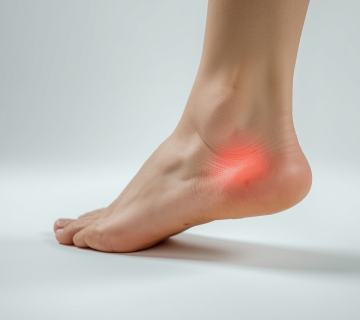
Heel spurs are bony, protruding growths extending from the foot’s arch to the heel bone. Heel spurs form from deposits of calcium on the bottom of the heel. They usually develop due to too much weight being placed on the heel bone, causing it to enlarge. Heel spurs can form on either or both feet and are most common in middle-aged adults who place too much weight on the feet and strain or stress their heels. Some patients experience little to no pain or other symptoms from heel spurs, but the pain can be intense for others.
Treating Heel Spurs
To heal a heel spur quickly, it is essential to keep the foot and ankle strong and avoid putting too much stress through this area. Treatment for heel spurs primarily consists of lifestyle changes and rest. Some of the ways our podiatrists may address your foot condition could include:
- Corticosteroid injections – For severe heel pain, corticosteroids can help ease inflammation and pain throughout the foot and heel arch.
- Anti-inflammatory pain medications – Acute pain can be reduced with over-the-counter medications like ibuprofen, acetaminophen, or aspirin.
- Stretching and exercises– Our podiatrists may recommend exercises to help you prevent long-term complications. These exercises will consist of stretching the heel and plantar fascia muscles.
- Orthotics – Our podiatrist can recommend orthotics based on how severe the spurs are and what other problems may exist because of them.
- Surgery – Heel spur surgery should only be performed when absolutely necessary, and pain has become chronic. During surgery, the spur will be removed. Some procedures involve releasing the plantar fascia.
Contact Us
Heel spurs do not go away on their own, but they can be healed fairly quickly with the help of our team here at Cherrywood Foot Care. To learn more about how you can treat your heel spur, be sure to contact our team today.
What actually speeds recovery up
- Starting early. The longer the heel stays under the same load, the longer it takes to settle.
- Treating the cause rather than the spur. Supporting the arch and easing tension on the plantar fascia removes the pressure that created the spur in the first place.
- Being consistent with stretching rather than doing it only on the bad days.
- Getting the diagnosis right. Several other conditions cause pain in the same part of the heel, and treating the wrong one costs time.
What slows it down
- Waiting it out without changing footwear or activity
- Relying on rest alone, which helps while you are off the foot and stops helping as soon as you are back on it
- Pushing through the pain during activity
If you are not certain a heel spur is the problem in the first place, our guide to heel pain and what causes it walks through the conditions that are commonly mistaken for one another.
Heel pain is treated as a medical problem rather than an elective one, so evaluation and treatment are generally covered. You can check your plan on our participating insurance list.
Most heel pain is very treatable once you know which kind you are dealing with.