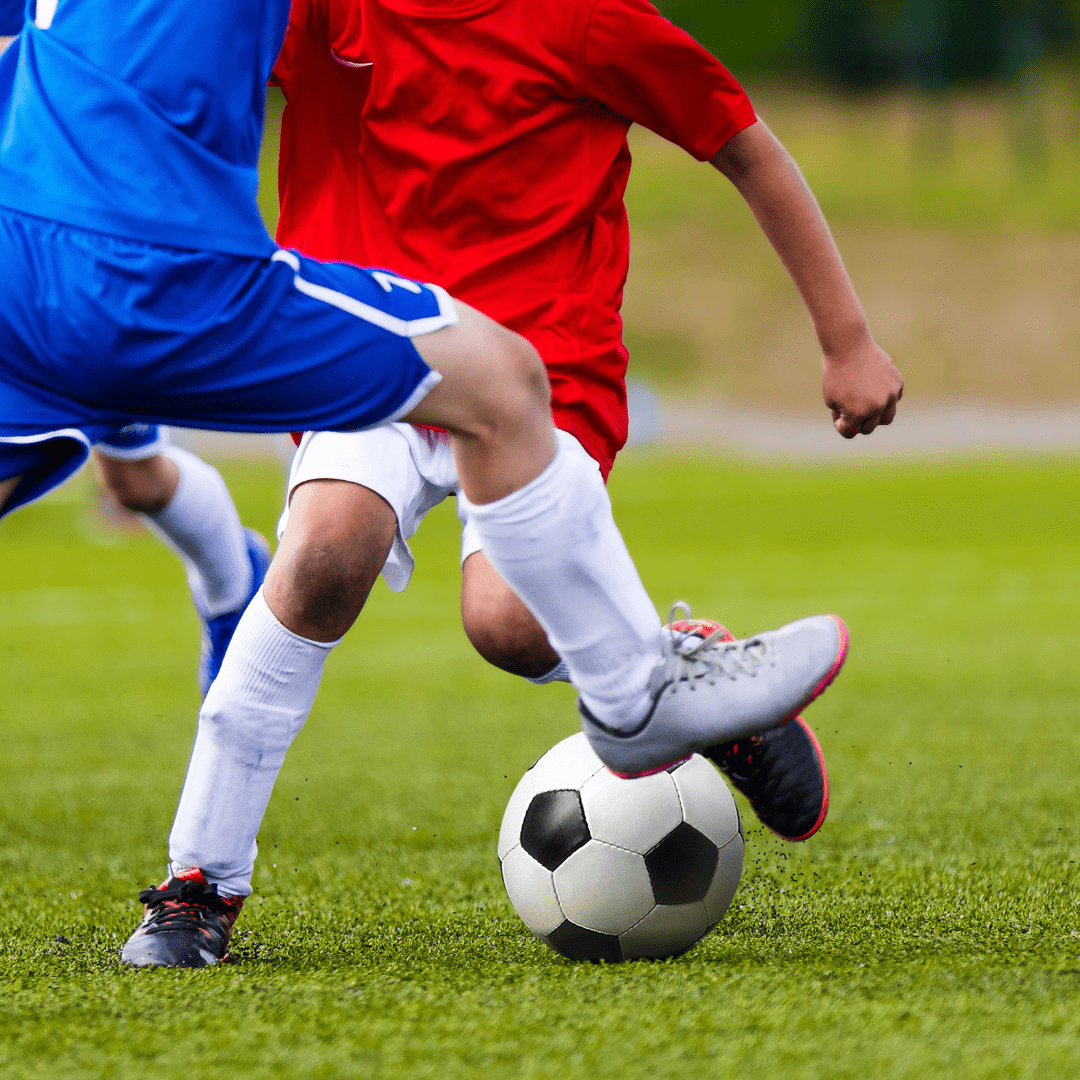
When fall sports pick back up across Bellmore, Merrick, Wantagh, and the rest of the South Shore, most parents are thinking about cleats, practice schedules, and carpool logistics. Feet are usually an afterthought, until a small ache turns into a limp two weeks into the season. Young athletes are especially prone to both sudden injuries, like a rolled ankle, and slower overuse injuries, like stress fractures or heel pain, especially when training ramps up quickly after a relaxed summer. The good news is that most of this is preventable. Properly fitted cleats, a short warmup routine, and knowing which aches are normal and which ones need a closer look can keep a season from being derailed before it starts.
Injuries That Show Up Once Practice Starts
Sprains and strains
The first few weeks of fall sports are prime time for sudden injuries. An ankle sprain usually happens when the foot twists the wrong way during a cut, a landing, or a quick stop, and it’s common in soccer, football, and any sport with fast direction changes. A sprain might look minor at first, especially if a child can still walk on it, but swelling, stiffness, or pain that lingers after the game shouldn’t be brushed off as just a tweak. Repeated ankle sprains can also lead to instability that carries into future seasons if the first one isn’t given time to heal properly.
Stress fractures and overuse pain
Not every injury happens all at once. Stress fractures are small cracks in a bone that develop when running and jumping load the same spot over and over without enough recovery in between. They show up often in runners and in running-heavy sports like soccer and cross country. The pain usually starts gradually, gets worse with activity, and can feel tender in one specific spot. A child might only notice it during practice at first, then start to feel it during normal walking as the training load keeps climbing, which is exactly the pattern that deserves attention rather than another week of playing through it.
Growth-related heel pain
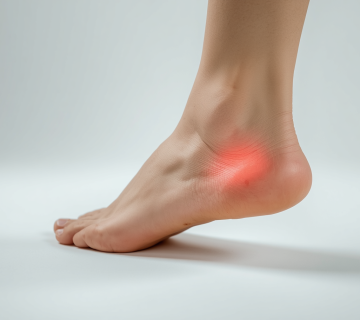
Heel pain in younger athletes is frequently tied to growth itself. Calcaneal apophysitis, more commonly known as Sever’s disease, is one of the most common causes of heel pain in growing kids. It happens when repeated pulling on the heel bone irritates the growth plate, especially during growth spurts and in kids who run and jump often. Parents usually notice it after a long practice or a tournament weekend. The heel may be sore with running, tender to the touch, or achy first thing after activity, even when the foot looks completely normal from the outside.
Why this matters: young bones are still developing, so heel or joint pain that lingers or keeps coming back deserves a real look rather than a wait-and-see approach.
Why the Jump Back Into Sports Causes Problems
Sudden training spikes
Going from a casual summer to full practices, drills, and games several days a week is a big jump for growing bones, muscles, and tendons. Overuse injuries tend to show up when training load rises faster than the body can adapt, and that risk climbs after a stretch of downtime. Parents usually spot the pattern first: a child is fine at the start of the week, then starts limping after a hard practice or complains that the heel or ankle hurts during warmups a few days later. That’s not toughness talking. It’s the body asking for more recovery time.
Too much of one sport
When a young athlete plays a single sport nonstop, the same tissues absorb the same stress over and over. Running-heavy sports like soccer and cross country put repeated impact and cutting forces through the feet and ankles, and without variety, that repetition can build into pain, inflammation, or a stress injury over the course of a season. A mix of activities gives overworked areas a chance to settle down between stretches of heavy use.
Playing through soreness
Some soreness after a hard workout is normal. Pain that keeps returning is a different story. When kids keep practicing on tired legs, mechanics get sloppy and landings get worse, which turns a small issue into a bigger one fast. Fatigue also makes it easier to miss the early warning signs, like a stiff ankle or a tender spot on the foot. If pain is changing the way a child walks, runs, or pushes off, that’s the signal to stop and take a closer look rather than push through it.
Shoes and Gear That Actually Help
Cleats and sport-specific footwear
The right shoe matters more than most parents expect. A running shoe is not a substitute for a cleat, and sport-specific footwear is built to match the demands of that activity, whether that’s traction on grass, support for cutting, or stability on turf. Cleats should match both the sport and the playing surface, since the wrong setup can add unnecessary stress to the foot and ankle. Slipping, toe pain, or pressure points during play are often signs the cleats themselves are part of the problem.
Fit, lacing, and socks
Good fit isn’t just about the size printed on the box. There should be enough room in the toe box for the toes to move without the foot sliding around inside the shoe. Trying shoes on with the same socks a child wears for practice makes a real difference, since socks change the fit more than most people realize. A snug heel and midfoot help keep the foot stable, while laces that are too loose let the foot drift. Blisters, black toenails, or hot spots are usually signs the shoe is rubbing or shifting too much, and fit is the first place to look.
When braces or inserts help
Braces and inserts have a role, but they aren’t a fix for every problem. An ankle brace can offer extra support for a child returning to play after a previous sprain, and inserts or orthotics can help when foot mechanics or pressure distribution need some adjustment. What a brace shouldn’t do is get used to push through brand-new pain. If a child needs extra support just to get through practice, or pain keeps returning despite better shoes, that’s a good time to have the foot evaluated rather than keep guessing.
Warmups, Strength, and Rest That Lower Risk
Simple warmup habits
A good warmup gets the body moving before the hard work starts. Light jogging, dynamic stretches, and sport-specific movements like skipping, shuffling, and gentle acceleration help prepare muscles and joints for practice, and this kind of dynamic movement is a well-known way to reduce strains and sprains in sports like soccer. The goal for a young athlete isn’t a long static stretch session. It’s waking up the feet, ankles, and legs so they’re ready for cutting, stopping, and landing when practice starts.
Balance and ankle strength
Strong ankles help young athletes stay steady on uneven ground or when a hit comes out of nowhere. Balance work and calf strengthening show up in most ankle injury prevention plans because they build the stability and quick response the foot needs during sudden movement. Simple exercises like single-leg balance, calf raises, and controlled ankle movements, done consistently, can make a real difference over the course of a season.
Rest days and seasonal breaks
Rest is part of training, not a break from it. Pediatric guidance generally recommends at least one full day off per week from organized sports, along with avoiding year-round single-sport play without breaks. That matters most in a busy season when every practice feels essential. Kids need time for sore tissue to recover, and without it, small aches can turn into overuse injuries that linger far longer than a single missed practice would have.
Warning Signs Worth a Closer Look
Most of the time, prevention and rest are enough. A closer look is worth it if you notice any of the following:
- Limping, favoring one side, or a noticeable change in gait
- Pain that lingers after practice instead of fading with rest
- Swelling or bruising after a twist or impact
- Tenderness that’s sharp and localized directly over a bone
- Trouble bearing weight or moving the ankle or toes normally
A proper exam can rule out a fracture, a stress injury, or a growth-plate problem and get a young athlete back on the field with a clear plan instead of guesswork. Cherrywood Foot Care Group works with young athletes and families across Bellmore, Merrick, Wantagh, Seaford, Massapequa, Levittown, East Meadow, Amityville, and Plainview, and a same-season evaluation is often what separates a missed week from a missed month.
Schedule an appointment with Cherrywood Foot Care Group through ZocDoc or call (516) 826-9000. Serving Bellmore, Merrick, Wantagh, Seaford, Massapequa, Levittown, East Meadow, Amityville, and Plainview.
Frequently Asked Questions
My child says their heel hurts after practice but it feels fine the next day. Should I still be concerned?
Pain that comes and goes with activity is still worth paying attention to, especially in the heel, since growth-related heel pain often follows exactly that pattern. If it keeps showing up after practices or games, it’s worth having it looked at before it becomes a daily issue.
How do I know if my child needs new cleats or sneakers?
Slipping inside the shoe, pressure points, blisters, or black toenails are common signs that footwear is contributing to the problem. Shoes should also be matched to the sport and field surface, not just sized up from last season.
Is it okay for my child to keep playing through mild soreness?
General muscle soreness after a hard practice is normal, but pain that changes how a child walks, runs, or pushes off is a different signal. That kind of pain is worth stopping for rather than playing through.
What is Sever’s disease and does it go away on its own?
Sever’s disease is irritation at the heel’s growth plate from repeated stress, and it’s very common in active kids during growth spurts. It typically improves with activity modification, proper footwear, and time, though a podiatrist can help speed recovery and rule out other causes of heel pain.
When should we see a podiatrist instead of just resting it?
If pain keeps returning despite rest, causes limping, or comes with swelling or tenderness over a bone, that’s a good time for an evaluation. Catching it early usually means a faster, simpler recovery.