Late summer on the South Shore means longer days, more time outdoors, and for people managing diabetes, a few extra risks that are easy to overlook. Heat, sweat, and longer stretches on your feet can turn a small problem into a bigger one faster than you’d expect. Diabetes can reduce feeling in the feet and slow healing, so a blister, cut, or red spot can go unnoticed until it’s already infected. A daily check, breathable shoes, and a little extra caution around sandals and hot pavement go a long way toward keeping small issues small.
Why Late-Summer Heat Is Harder on Diabetic Feet
Heat, humidity, and swelling
Warm, humid weather increases sweating and swelling in the feet and ankles, and damp skin trapped inside shoes or sandals is more likely to soften, rub, and break down. For someone managing diabetes, a small opening in the skin can turn into an infection more easily and take longer to heal than it would otherwise. Swelling can also make shoes feel tighter than usual, adding pressure in spots that already take stress during walking. New, one-sided, or persistent swelling that doesn’t improve with rest and elevation is worth mentioning to a doctor rather than waiting it out.
Neuropathy and missed burns or blisters
Nerve damage from diabetes, known as neuropathy, can reduce the ability to feel pain, heat, or cold, which makes summer hazards easier to miss entirely. A hot sidewalk, a rubbing sandal strap, or a blister from a long walk can go unnoticed until the skin is already damaged, since reduced sensation means a cut or sore might not register right away. That’s exactly why a daily foot check matters, even when the feet feel completely fine. Sandals and bare feet in summer only increase exposure to that kind of friction and heat, so any new red spot, blister, or tender area is worth treating as something to check early rather than something to wait out.
Why this matters: reduced sensation means pain is not a reliable warning sign. A daily look, not how the feet feel, is what catches a problem early.
Daily Foot Checks for Cuts, Redness, and Pressure Spots
What to look for after hot-weather outings
After a walk on hot pavement, time at the beach, or a long day in sandals, check both feet while the skin is easy to inspect. Look for cuts, scrapes, blisters, redness, swelling, and any spot that feels warmer than the skin around it, including between the toes and along the heels where straps or seams tend to rub. Comparing one foot to the other helps spot something new, and a mirror or a second pair of eyes is a simple way to check the bottoms of the feet if that’s hard to see on your own.
Signs that need attention right away
Some changes shouldn’t wait for a scheduled visit. Contact a podiatrist promptly if you notice any of the following:
- A cut, blister, or sore that isn’t starting to heal after a few days
- Skin that’s red, warm, painful, swollen, or draining
- A callus with dried blood inside it
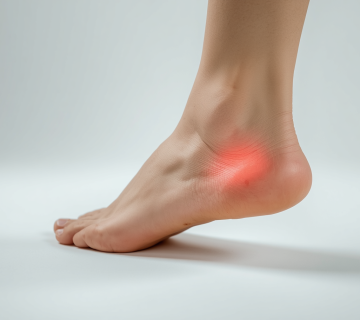
- A hot spot on the foot with no clear cause
- New swelling that’s one-sided or isn’t improving with rest and elevation
When in doubt, it’s safer to have a foot looked at early than to wait for pain to show up first, since pain isn’t always a reliable warning sign here.
Cleaning, Drying, and Moisturizing Without Trapping Moisture
Washing and drying between the toes
Wash your feet daily in warm, not hot, water with a mild soap, then dry carefully, especially between the toes. Skin between the toes tends to stay moist, which is part of why fungal infections like athlete’s foot become more common in warm weather. A quick, consistent daily routine, patting rather than rubbing the skin dry, makes a bigger difference than it might seem.
Managing sweaty feet and skin irritation
Sweaty feet are common in late summer, especially in shoes that don’t breathe well, and trapped moisture can soften skin and increase both friction and the risk of fungal growth. Changing into dry socks, choosing breathable shoes, and airing feet out when possible all help. Moisturizer is fine for dry or cracked skin, but it should stay off the spaces between the toes, where extra moisture can make fungal issues more likely.
Footwear That Protects Feet on Hot Pavement and in Sandals
Avoiding barefoot walking indoors and outdoors
Shoes or slippers belong on your feet any time they’re on the ground, even inside the house. Reduced sensation means a sharp pebble, a hot surface, or a small cut might not be felt right away, and that risk climbs in late summer when pavement, decks, and pool areas can get genuinely hot underfoot.
Choosing shoes that reduce rubbing and pressure
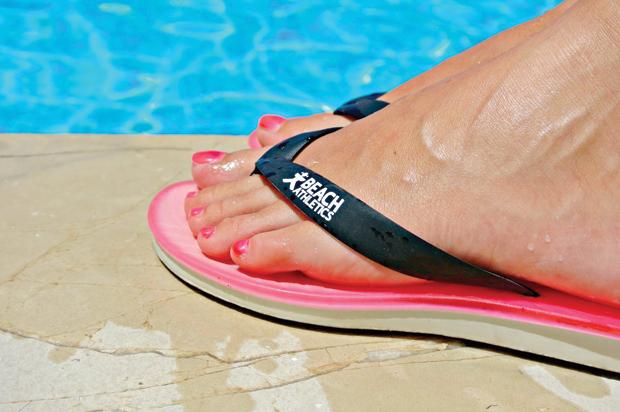
Sandals are convenient, but they expose more of the foot to heat, friction, and stray objects. If you wear them, choose pairs that stay secure and don’t rub between the toes, and save closed shoes for longer distances since they protect the skin better. A good shoe fits well, holds the foot in place, and leaves room for the toes. Too tight increases pressure and blisters, too loose causes sliding and rubbing. Checking inside a shoe for seams or debris before putting it on, and breaking in new shoes slowly, both help catch sore spots before they turn into open skin.
Preventing Burns, Blisters, and Swelling During Late-Summer Activities
Pool decks, beaches, festivals, and long walks
Late-summer plans often combine heat, friction, and long stretches of standing or walking, and pool decks, boardwalks, beaches, and festival grounds all expose feet to hot surfaces and rough textures that are easy to miss. Well-fitted protective footwear helps reduce burns, cuts, and blisters, and checking your feet after the outing matters just as much as protecting them during it, especially with reduced sensation in play.
Afternoon swelling and tighter shoes
Swelling tends to build later in the day in warm weather, and shoes that fit fine in the morning can feel tight by afternoon, pressing on the toes, sides, or heel. Trying shoes on later in the day, when feet are likely at their largest, is a simple way to plan around this. If shoes start feeling snug, loosen the laces, switch to a roomier pair, or take a break to rest and elevate rather than pushing through it.
Most summer foot problems are manageable when they’re caught early, and a quick daily check is often all it takes. Cherrywood Foot Care Group works with patients managing diabetes across Bellmore, Merrick, Wantagh, Seaford, Massapequa, Levittown, East Meadow, Amityville, and Plainview, and a prompt evaluation for any new redness, swelling, or slow-healing spot can prevent a much longer recovery later on.
Schedule an appointment with Cherrywood Foot Care Group through ZocDoc or call (516) 826-9000. Serving Bellmore, Merrick, Wantagh, Seaford, Massapequa, Levittown, East Meadow, Amityville, and Plainview.
Frequently Asked Questions
How often should I check my feet in the summer?
Once a day is a good baseline, and it’s worth checking again after any outing that involves heat, sandals, or a lot of walking, like a beach day or a festival.
Are sandals okay for someone with diabetes?
Sandals aren’t off limits, but they expose more of the foot to friction and heat than closed shoes. Choose pairs that fit securely and don’t rub, and stick to closed, breathable shoes for longer distances or full days on your feet.
Why do my feet swell more in the summer?
Heat and humidity naturally increase swelling in the feet and ankles for most people, but new, one-sided, or persistent swelling is worth mentioning to a doctor rather than assuming it’s just the weather.
What should I do if I find a blister or cut I didn’t notice happening?
Clean it gently, keep it covered, and watch it closely over the next few days. If it isn’t clearly healing, or if you notice redness, warmth, swelling, or drainage, contact a podiatrist rather than waiting it out.
Is it normal for a wound to take longer to heal in the summer heat?
Diabetes can slow healing in general, and heat or excess moisture can add to that. A wound that isn’t improving after a few days, regardless of the season, is a reason to be seen rather than to keep watching it.