
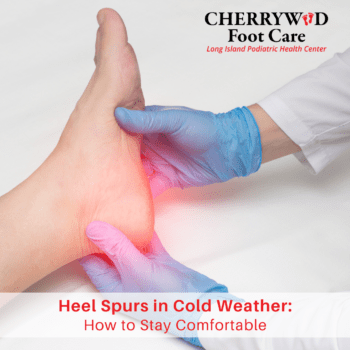
As temperatures drop and winter settles in, those who suffer from heel pain, particularly due to heel spurs or plantar fasciitis, may notice an increase in discomfort. Cold weather can exacerbate the symptoms of heel spurs, making it harder to stay comfortable while walking or standing for long periods. Heel spurs, which are bony growths that develop on the heel bone, often accompany a condition called plantar fasciitis. This condition involves inflammation of the plantar fascia, a band of connective tissue that stretches across the bottom of the foot, from the base of the toes to the heel.
One of the primary causes of plantar fasciitis is overpronation, where the foot rolls inward excessively during walking. This motion flattens the arch, stretches the plantar fascia, and increases tension, ultimately leading to inflammation and pain. In cold weather, the muscles and tendons in the feet can become stiffer, making the effects of overpronation more pronounced and the pain from heel spurs even worse.
Tips to Stay Comfortable During Cold Weather
- Keep Your Feet Warm: Cold weather can make the muscles and tendons in your feet tighten, which can increase the pain associated with heel spurs. Wearing warm, supportive socks and shoes is essential. Look for footwear that provides cushioning and arch support to reduce stress on the plantar fascia.
- Stretching: Regular stretching exercises can help keep the plantar fascia and surrounding muscles flexible, especially in the cold. Gentle stretches of the calf muscles and the bottom of the foot can relieve tension. Try rolling your foot over a frozen water bottle to massage the heel and stretch the fascia, which can help reduce inflammation.
- Proper Footwear: Shoes with good arch support and cushioning are key, particularly in winter months when cold weather may make you more prone to stiffness. Avoid wearing flat shoes or high heels, as these can exacerbate overpronation and place additional stress on the heel.
- Use Orthotics: Custom or over-the-counter orthotic devices can provide significant relief by correcting overpronation and redistributing pressure away from the heel. Orthotics help support the arch and reduce the impact on the plantar fascia, alleviating pain caused by heel spurs.
- Anti-Inflammatory Treatments: Over-the-counter anti-inflammatory medications, such as ibuprofen, can also be helpful, but always consult your doctor before taking any medication, especially if you have underlying health conditions.
- Therapeutic Exercises: A specialist can guide you through exercises designed to strengthen the muscles supporting your feet, helping to reduce strain on the plantar fascia and heel. They may also recommend specific stretches to improve flexibility and relieve tension in the arch.
- Extracorporeal Shock Wave Therapy (ESWT): For more persistent cases of heel spur pain, treatments like Extracorporeal Shock Wave Therapy (ESWT) may be recommended. ESWT uses sound waves to stimulate healing in the affected tissue, providing long-term pain relief.
While heel spurs and plantar fasciitis can be particularly troublesome during colder months, there are steps you can take to stay comfortable and manage the pain. Keeping your feet warm, stretching regularly, wearing supportive footwear, and considering treatments like orthotics or physical therapy can help ease discomfort. If your heel pain persists, consult with a podiatrist at Cherrywood Foot Care for a personalized treatment plan to keep you moving comfortably throughout the winter season.
