
Vacations are meant for relaxation and adventure, but many travelers return home with an unexpected souvenir: heel pain. If you’ve noticed discomfort in your feet after a trip, you’re not alone. As a Plainview foot doctor, Cherrywood Foot Care sees a surge in patients experiencing heel pain and other foot issues post-vacation. Let’s explore why travel can trigger these problems and what you can do to prevent them.
Why Does Travel Cause Heel Pain?
- Sudden Increase in Activity
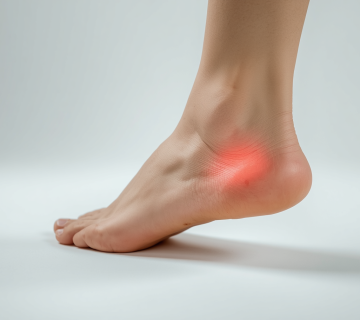
Most people walk significantly more on vacation than in their daily routine. Sightseeing, exploring new cities, and standing in lines can add thousands of extra steps. This sudden increase in activity can strain the plantar fascia—a thick band of tissue connecting your heel to your toes—leading to plantar fasciitis, one of the most common causes of heel pain.
- Unsupportive Footwear
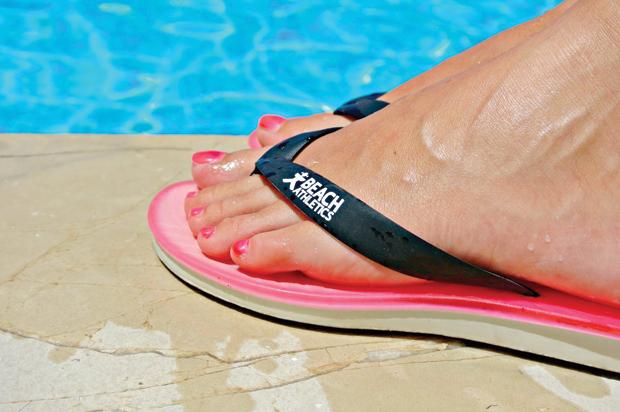
Vacation often means wearing sandals, flip-flops, or even going barefoot at the beach or pool. While comfortable for short periods, these shoes lack the support your feet need for extended walking, increasing the risk of heel pain and other injuries.
- Prolonged Sitting and Swelling
Long flights or car rides mean hours of sitting, which can cause swelling in your feet and ankles due to poor circulation. Swollen feet are more prone to discomfort and injury once you start walking again.
- Walking on Hard or Uneven Surfaces
Travel often involves walking on unfamiliar surfaces—cobblestone streets, hotel floors, or rocky trails. These can put extra stress on your feet, especially if you’re not used to them, increasing the risk of strains, sprains, and heel pain.
How to Prevent Heel Pain While Traveling?
- Choose Supportive Shoes: Wear well-fitted, supportive footwear with cushioning, even for short walks. Avoid flip-flops for long excursions. ● Stretch Regularly: Incorporate foot and calf stretches into your daily routine, especially before and after long walks.
- Take Breaks: Rest your feet throughout the day. Elevate your legs to reduce swelling after flights or long drives.
- Pack Orthotics: If you use custom orthotics, bring them along and use them in all your shoes.
- Listen to Your Body: Don’t ignore foot pain. Early intervention can prevent minor aches from becoming chronic problems.
When to See a Plainview Foot Doctor
If heel pain persists after your trip, don’t wait for it to resolve on its own. Persistent pain may indicate plantar fasciitis, Achilles tendonitis, or other conditions that require professional care. A Plainview foot doctor can diagnose the cause of your discomfort and recommend personalized treatment options to get you back on your feet quickly.
Why Choose Cherrywood Foot Care?
- Experienced Team: Our board-certified specialists have years of experience treating all types of foot and heel pain.
- Patient-Centered Care: We listen to your concerns and work with you to find the best solutions.
- Convenient Location: Serving the Plainview area, we’re always nearby when you need expert foot care.
Don’t Let Heel Pain Slow You Down
If you’re experiencing heel pain after your vacation, don’t wait for it to get worse. Let the trusted team at Cherrywood Foot Care help you find relief and get back to enjoying life.
Call Cherrywood Foot Care today to schedule your appointment with a Plainview foot doctor and take the first step toward pain-free feet!