Dry Winter Skin: Preventing Cracked Heels and Painful Feet
Winter weather can be harsh on your skin—especially the skin on your feet. Cold temperatures, low humidity, indoor heating, and wearing heavy footwear can all contribute to dry winter skin. For many people, this leads to cracked heels, painful fissures, and discomfort that can interfere with daily activities. At Cherrywood Foot Care, we see an increase in foot problems during the colder months, and prevention is key to staying comfortable and healthy all winter long.
Why Winter Causes Dry, Cracked Heels
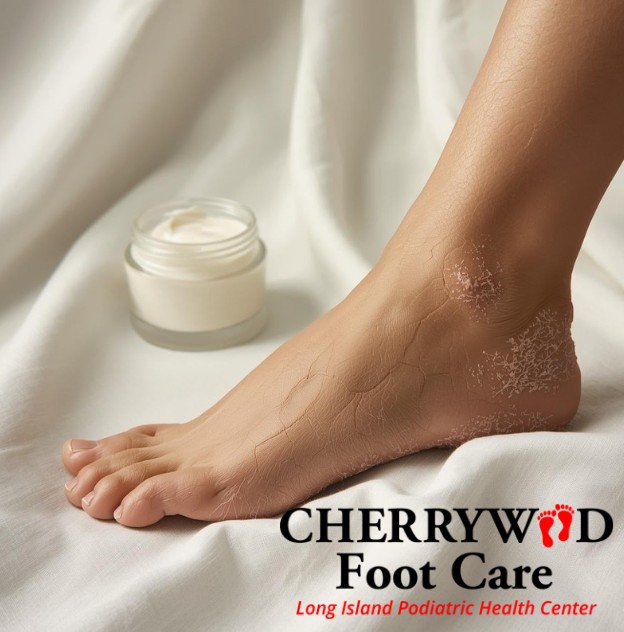
During the winter, the air holds less moisture, which causes the skin to lose hydration more quickly. The skin on the heels is naturally thicker and drier than other areas of the body, making it more prone to cracking. Wearing open-back shoes indoors, walking barefoot on hard floors, or spending long hours in boots can increase pressure on the heels, causing dry skin to split.
For individuals with diabetes, poor circulation, eczema, or psoriasis, cracked heels can become more than a cosmetic concern. Deep heel cracks can lead to pain, bleeding, and even infection if left untreated.
Common Symptoms of Dry Winter Feet
Dry winter skin on the feet may start subtly, but symptoms can worsen quickly. Common signs include:
- Flaky or rough skin on the heels
- Thickened calluses
- Redness or irritation
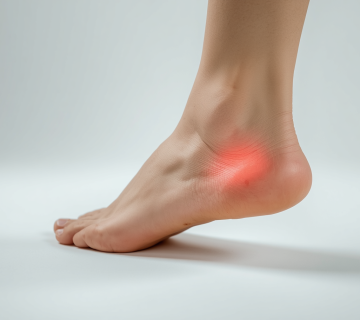
- Pain when standing or walking
- Deep cracks or fissures that may bleed
Addressing these symptoms early can help prevent complications and keep your feet healthy.
Tips to Prevent Cracked Heels This Winter
Preventing dry, painful feet starts with proper foot care habits:
Moisturize Daily:
Apply a thick, foot-specific moisturizer or heel balm every day, especially after bathing. Products containing urea, lactic acid, or salicylic acid can help soften thick skin.
Avoid Hot Showers:
Hot water strips natural oils from the skin. Use warm water instead and limit soaking time.
Wear Supportive Footwear:
Choose shoes with good heel support and cushioning. Avoid walking barefoot or wearing thin slippers indoors.
Protect Your Feet at Night:
Apply moisturizer before bed and wear cotton socks to lock in moisture overnight.
Exfoliate Gently:
Use a pumice stone or foot file a few times a week to remove excess dry skin—but avoid overdoing it.
When to See a Foot Specialist
If cracked heels become painful, bleed, or do not improve with home care, it’s important to see a foot and ankle specialist. Professional treatment can safely remove thick calluses, heal fissures, and prevent infection. At Cherrywood Foot Care, we provide personalized treatment plans to address dry winter skin and restore comfort to your feet.
Keep Your Feet Comfortable All Winter
Dry winter skin doesn’t have to lead to painful feet. With proper care and early intervention, you can prevent cracked heels and stay active throughout the season. If you’re experiencing ongoing foot discomfort this winter, the team at Cherrywood Foot Care is here to help keep your feet healthy, protected, and pain-free.