
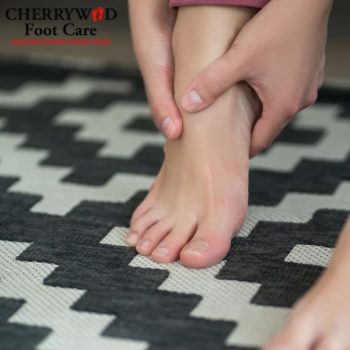
 Plantar fasciitis is the term commonly used to refer to heel and arch pain traced to an inflammation on the bottom of the foot. More specifically, plantar fasciitis is aninflammation of the connective tissue, called plantar fascia, that stretches from the base of the toes, across the arch of the foot, to the point at which it inserts into the heel bone. If you believe you are suffering from plantar fasciitis Long Island than contact us today and learn how we can help.
Overpronation is the most common cause of plantar fasciitis. As the foot rolls inward excessively when walking, it flattens the foot, lengthens the arch, and puts added tension on the plantar fascia. Over time, this causes inflammation.
Also known as heel spur syndrome, the condition is often successfully treated with conservative measures, such as the use of anti-inflammatory medications, ice packs, stretching exercises, orthotic devices, and physical therapy. Note: Please consult your physician before taking any medications.
In persistent cases, Extracorporeal Shock Wave Treatment (ESWT) may be used to treat the heel pain.
What Aggravates Plantar Fasciitis?
In the United States alone, over 75% of people will experience foot-related complications at least once in their lives. If you currently fall into this 75%, our team at Cherrywood Foot Care will be here to provide you with the top of the line care. When conditions such as plantar fasciitis affect you, we’ll be able to provide you with the highest quality of treatment available at our facility. We will provide excellent treatment for plantar fasciitis Long Island to you!
What Is Plantar Fasciitis?
The plantar fascia is a thick band of tissue that runs from the heel to the toes. This band helps with absorbing shocks that come with everyday movements such as walking. When this band becomes irritated and inflamed, the condition known as plantar fasciitis begins to develop. To alleviate your symptoms, you may need to seek out podiatry treatments for plantars fasciitis Long Island. Among the most common symptoms of this condition are:
-
- Difficulty walking.
- Experiencing heel pain that is at its worst in the morning.
- Development of heel spurs.
Aggravation of Plantar Fasciitis:
Plantar fasciitis develops when tension and stress placed on the plantar fascia leads to irritation. But what causes this tension and stress to take place? The team at Cherrywood Foot Care has the answers to this question. Below are some risk factors that can lead to the aggravation of plantar fasciitis Long Island:
-
- Obesity: Your feet bear the entirety of your body weight. When you are overweight, it can cause extra stress to be placed on your feet, especially the plantar fascia.
-
- Age: As we age, our bodies become more susceptible to certain conditions. Plantar fasciitis is no exception to this rule of thumb, as it is most common in people between the ages of 40 and 60.
-
- Certain exercises: Some types of exercise can place large amounts of stress on the heels, triggering plantar fasciitis. Such exercises include long-distance running, ballet, and aerobic dance.
-
- Occupation: Some jobs require employees to stand on their feet for large portions of the day. Those who have a job that requires long periods of standing and walking are at an increased risk of developing plantar fasciitis Long Island.
How Our Treatment For Plantar Fasciitis Long Island Can Help:
When plantar fasciitis begins to impede your ability to complete daily tasks, consider reaching out to our staff at Cherrywood Foot Care. With our podiatry, your symptoms can be relieved, allowing you to regain the quality of life that plantar fasciitis may have taken from you. Treatment methods that may be administered by our podiatrists include:
-
- Extracorporeal shock wave treatment.
- Creating custom orthotics.
- Prescribing pain-relieving and anti-inflammatory medication.
Plantar Fasciitis Long Island
At Cherrywood Foot Care, our staff has been providing podiatry for more than a quarter of a century. Our podiatrists are dedicated to the well-being and treatment of every patient that trusts us with their care. Plantar fasciitis is a difficult condition to live with, but it does not have to last forever. If plantar fasciitis has begun to cause problems in your life, contact our team right away. We’ll do everything in our power to eliminate this condition promptly and get you back to living a pain-free life!
Extracorporeal Shock Wave Therapy (ESWT) is used to treat chronic heel pain (plantar fasciitis). “Extracorporeal” means “outside of the body.” During this noninvasive procedure, sonic waves are directed at the area of pain using a device similar to that currently used in nonsurgical treatment of kidney stones.
What is Extracorporeal Shock Wave Therapy?
Extracorporeal Shock Wave Therapy is prescribed for patients who have experienced plantar fasciitis for an extended period of time — six months or more — and have not benefited from other conservative treatments. The brief procedure lasts about 30 minutes and is performed under local anesthesia and/or “twilight” anesthesia. Strong sound waves are directed at and penetrate the heel area to stimulate a healing response by the body. ESWT is performed on an outpatient basis. Although there are no bandages, someone will need to drive the patient home.
People who are not candidates for ESWT include pregnant women and individuals with neurological foot disease, vascular foot disease, pacemakers, or people taking medications that interfere with blood clotting (such as Coumadin).
This therapy is a safe and effective alternative treatment for heel pain and only requires a short recovery time. Clinical studies show a 70 percent success rate for treatment of plantar fasciitis using Extracorporeal Shock Wave Therapy. This is an excellent treatment for plantar fasciitis Long Island so contact us if you need help.
Cherrywood Foot Care utilizes the latest, state-of-the-art podiatric techniques and technologies to treat all of your family’s foot care needs. This includes extracorporeal shock wave therapy, a new, proven way to treat chronic heel pain (such as plantar fasciitis/heel spur syndrome).
This unique therapy involves a non-invasive surgical procedure to not only remedy the stinging, painful aches associated with these conditions, but effectively help maintain a comfortable state of foot-and-heel homeostasis.
Cherrywood Foot Care‘s team of foot experts will direct sonic waves at the area of pain using a device similar to the machine used in non-surgical treatment of kidney stones. Extracorporeal literally means “outside of the body,” so there’s absolutely no need for surgery to relieve heel pain. Rather, these sound waves penetrate the heel area and stimulate the body’s natural healing response.
This procedure typically last about 30 minutes. We also administer local anesthesia and/or “twilight” anesthesia. The process works. Additionally, it’s performed on an outpatient basis, so no overnight stay in a hospital is necessary.
Extracorporeal shock wave therapy is a safe and effective alternative treatment for heel pain and only requires a brief recovery time. Yet another benefit is that it costs much less than invasive surgery. It may not be right for every heel pain problem; a consultation with one of the trained professionals at Cherrywood Foot Care will advise accordingly.
We’re also happy to provide you with more information about this latest therapy and discuss what treatment options might work best for your condition. Contact us to have your plantar fasciitis Long Island treated today!
How Do You Know If You Have a Bone Spur in Your Heel?
Did you know you could have a bone spur in your heel without even knowing? Heel spurs are common amongst runners and people who stand up for prolonged periods. How does one know? If you’re seeking foot pain treatment for plantar fasciitis Long Island, contact us today. Our podiatrist will assess the heel, determine if a bone spur is present, and develop a treatment plan just for you.
What is a Heel Spur?
A bone spur is bone growth that often develops in your joints or anywhere where the bone meets. Most scenarios go undetected without any symptoms for years.
A heel spur occurs when calcium deposits form on the bottom of the heel bone. It can grow as long as half an inch.
Detecting them can be an issue because they are not visible to the naked eye. You may not realize you have a heel spur until detected by an x-ray exam. In some extreme cases, you may lose motion in your joints.
Symptoms
Heel spurs don’t often cause pain. Years can go by without any form of symptoms. However, it can cause chronic pain and swell in the heel if left untreated. Other symptoms include:
-
- Inflammation.
- Dull aching pain when standing up.
- Knife or pin stabbing feeling in the heel.
Causes
Heel spurs occur when calcium deposit builds up under the heel of a period of time. It is common amongst runners. Other causes or risk factors include:
-
- Being overweight or obese
- Running or jogging on hard surfaces such as concrete
- Wearing badly worn-out shoes
- Prolonged periods of standing up
- Having flat feet
If pain persists and you’re seeking foot pain treatment for plantar fasciitis Long island, then it is time to book an appointment with us today. We utilize the latest cutting-edge podiatric technologies to assess any heel pain.
Prevention and Treatment
If you’re currently experiencing heel pain, here are a few tips you can follow to help alleviate pain:
-
- Applying cold packs to the heel
- Change into new shoes
- Applying shoe inserts
- Taking over the counter pain reliever
Heel spur prevention requires careful attention to your overall foot health. Keep in mind what your foot goes through on a day to day basis. Rest your feet if you notice any unusual symptoms and pain. Wear appropriate shoes for each workout routine, warm-up, and stretch, and try to maintain a healthy weight.
How Can Treatment For Plantar Fasciitis Long Island Help?
If you are experiencing foot pain and are seeking foot pain treatment, contact us today at Cherrywood Foot Care. With our latest cutting-edge technology, we will evaluate your foot, determine if a heel spur is present, and develop a course of action to assess the issue. Visit us online or call us at (516) 826-9000.
Contact Us!
